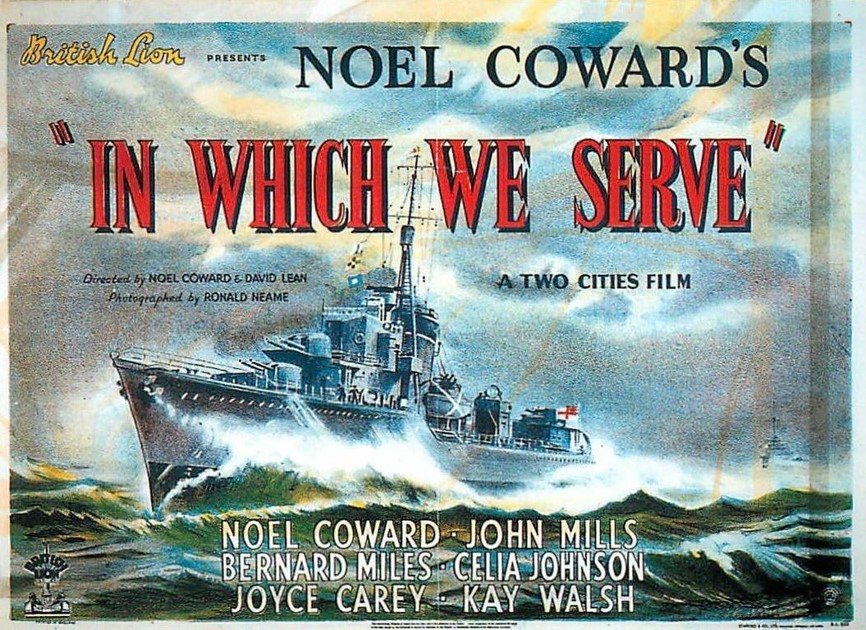
This module explores the relationship between cinema and society in Britain from the interwar depression, through the Second World War and the onset of affluence and mass-consumerism in the 1950s and 60s. More specifically, cinematic representations of classes and cultures will be examined in relation to the lived history of the period, in order to track what they both reveal and conceal about the historical processes which transformed Britain during the mid-twentieth century. The main sources will be feature films but other primary sources will be employed when appropriate in order to situate the texts more firmly in their contexts. The module is interdisciplinary in design and content: texts will be read in conjunction with a wide range of secondary sources taken from the fields of film studies, social, economic and political history and sociology. A variety of genres and styles will be considered including comedy and musical comedy, historical melodrama, the crime thriller, social documentary and social realism. Major themes to be studied include images of class, race, community and nation; gender division and gender identity; ideology and hegemony; social mobility and alienation; citizenship and race relations; affluence and class-consciousness.
- Module Supervisor: Peter Gurney